
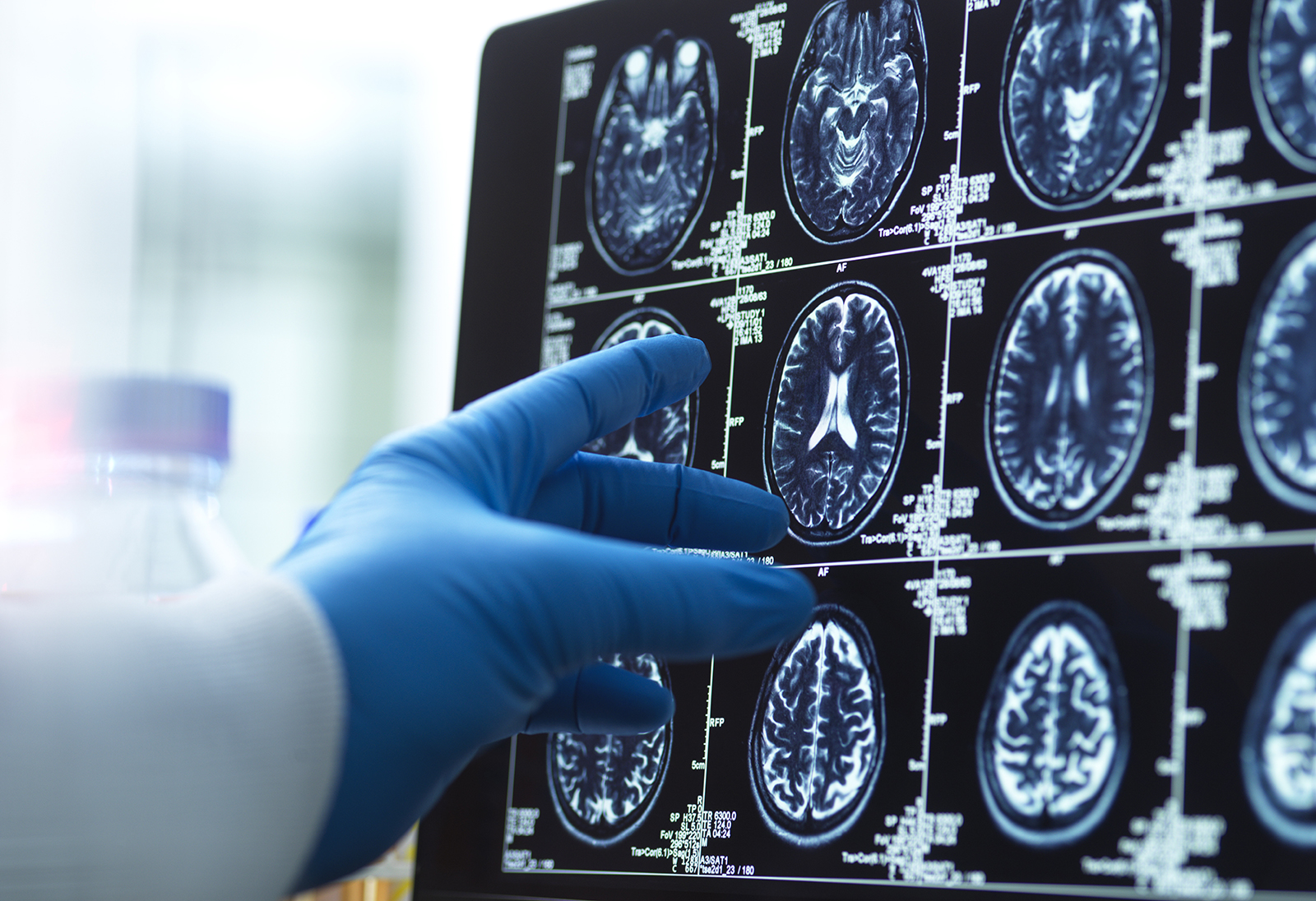
Dr. Rusk’s Precision Pillars of Brain Health Program
A Root-Cause, Precision Lifestyle, and Nervous System–Based Protocol to Support Brain Health and Dementia Prevention
Over decades of clinical work in neuropsychology and integrative brain health, I have developed and now teach Dr. Rusk’s Precision Pillars of Brain Health Program—a root-cause, precision lifestyle, and nervous system–based framework designed to protect, restore, and optimize brain function across the lifespan. The program has be implemented for individual patients small groups larger groups and adapted to corporate and insurance based programs. It has been adapted to be a four week training, a twelve week training and a more recently a sixteen week program.
This program draws from neuroscience, neuropsychology, somatic psychology, Polyvagal Theory, functional medicine, and long-standing spiritual and contemplative traditions, integrating modern science with embodied approaches to healing. It is also informed by the pioneering work of Dale Bredesen and the broader root-cause model of brain health, which recognizes that Alzheimer’s disease and other dementias arise from multiple interacting contributors, not a single pathology.
What makes this program distinct is its precision lifestyle approach. Rather than offering generic recommendations, each individual receives a precision prescription—tailored to their unique biology, lifestyle, medical profile, immune and inflammatory status, stress physiology, and nervous system patterns.
At its core, this is a nervous system– and vagus nerve–based model. Brain health depends on the nervous system’s capacity to move flexibly between activation, connection, rest, and repair. When this flexibility is lost, risk increases for anxiety, depression, cognitive decline, and neurodegenerative disease.
Why Precision Brain Health Matters for Alzheimer’s and Dementia
Alzheimer’s disease and related dementias are not caused by a single factor. They are the result of years—often decades—of interacting processes, including chronic inflammation, immune dysregulation, metabolic dysfunction, vascular disease, sleep disruption, stress overload, and social isolation, gut dysbiosis and so many other factors.
Importantly, most of these drivers are modifiable.
Research increasingly shows that prevention and treatment of cognitive decline require:
- Early identification of individual risk patterns
- Multi-domain lifestyle and medical interventions
- Attention to nervous system regulation and chronic stress physiology
A precision brain health model allows us to intervene upstream—long before memory loss becomes disabling—and to slow progression even after symptoms begin. Supporting the nervous system, immune balance, metabolic health, and social engagement is not optional; it is central to protecting the brain against neurodegeneration.
A Precision, Nervous System–Based Framework
The Precision Pillars model recognizes that cognition, mood, immune function, inflammation, and energy are all shaped by whether the nervous system is operating from chronic threat or relative safety.
Rather than offering generic lifestyle advice, this program emphasizes precision prescriptions, tailored to:
- Individual nervous system states and stress responses
- Vagal tone and recovery capacity
- Medical, metabolic, vascular, and immune contributors
- Lifestyle realities, values, and goals
Each pillar below is adjusted to support that person’s capacity for activation and restoration—an essential requirement for long-term brain resilience.
The Eight Precision Pillars of Brain Health
Pillar 1: Sleep and Stillness
Sleep is one of the brain’s most active restorative states, supporting memory consolidation, metabolic waste clearance, immune regulation, and emotional recalibration. Stillness—through quiet awareness, breath-based practices, or contemplative pauses—supports vagal regulation and parasympathetic recovery.
Disrupted sleep and chronic hyperarousal are strongly associated with cognitive decline. Precision sleep strategies are individualized to restore rhythm, safety, and nervous system flexibility rather than forcing rigid rules.
Pillar 2: Movement
Movement supports blood flow, mitochondrial health, neuroplasticity, and mood regulation. Just as important, it trains the nervous system to activate and recover.
Precision movement balances stimulating activity (walking, strength training, aerobic exercise) with slower, regulating practices such as yoga, qigong, and gentle mobility—preventing both overdrive and collapse.
Pillar 3: Nutrition and Gut Health
The gut–brain axis plays a central role in inflammation, immune signaling, neurotransmitter production, and metabolic health. Nutrition affects each brain differently depending on microbiome diversity, insulin sensitivity, stress load, and immune status.
This pillar applies a precision nutrition approach to stabilize blood sugar, reduce inflammation, support gut integrity, and protect cognitive function.
Pillar 4: Social Connection (Secure Attachment & Frequency Matter)
Human brains are wired for connection. Secure attachment relationships regulate stress physiology, support vagal tone, and reduce inflammatory signaling.
This pillar emphasizes both the quality and the frequency of social engagement. Secure, emotionally safe relationships matter deeply—but so does regular contact. Consistent, repeated experiences of connection train the nervous system to expect safety, which protects brain health over time. Even brief but frequent interactions can be profoundly protective.
Pillar 5: Stimulation and Challenge
Brains remain healthy through appropriate cognitive, sensory, and emotional challenge. Learning, novelty, and curiosity promote neuroplasticity—but only when matched to nervous system capacity.
Precision stimulation avoids both understimulation and overwhelm, helping the brain stay adaptable rather than exhausted.
Pillar 6: Medical Care (Precision & Root-Cause Focused)
Brain health cannot be separated from medical health. This pillar reflects a functional, root-cause approach, addressing contributors such as:
- Chronic inflammation
- Immune system dysregulation
- Metabolic and cardiovascular disease
- Hormonal imbalance
- Sleep disorders
- Nutrient deficiencies
- Infections and toxic exposures
Supporting immune resilience and identifying inflammatory drivers are critical for both dementia prevention and treatment.
Pillar 7: Mental Health
Anxiety, depression, trauma, and chronic stress are nervous system states that shape brain structure and function over time. When persistent, they increase risk for cognitive decline.
Mental health care in this program focuses on restoring nervous system flexibility through education, therapy, somatic regulation, and targeted clinical support.
Pillar 8: Detoxify
Environmental exposures add cumulative stress to the brain and immune system. Precision detoxification focuses on reducing ongoing exposures while supporting the body’s natural detox pathways through sleep, nutrition, hydration, gut health, and immune balance—without aggressive or destabilizing approaches.


Treating Post-Concussion Syndrome: Compensation Strategies
Treating Post-Concussion Syndrome
If you’ve been in a car accident, fallen headfirst, or otherwise taken a blow to your head, you may have sustained an injury to your brain. Even if you didn’t immediately lose consciousness or experience confusion, as is typical of a moderate to severe traumatic brain injury (TBI), you may have incurred the most common form of mild TBI—a concussion.
Oftentimes, this injury cannot be seen on CT or MRI scans, because the damage is so minor. However, the effects can still severely impact your life in physical, emotional, and cognitive ways; these persisting effects from minor brain damage are what we call Post-Concussion Syndrome, or PCS.
What’s happening when PCS occurs?
The brain is made up of thousands and thousands of long, thin nerve fibers. If your head is hit hard enough for a concussion to occur, some of these nerves will be torn or broken. Fortunately, your brain has many other thousands of nerve cells which are not damaged as a result of the injury and which attempt to take over the work of the damaged nerve cells.
During the first few months after the injury, the brain works to heal itself, just like your body works to heal a bruise on your arm. As your brain and body conduct this hard work, symptoms are felt not only physically, but emotionally and cognitively, as well. Fortunately, there are a number of strategies you can use to ease your symptoms, compensate for your limited capacities, and assist your body in recovery.
How can I treat the symptoms of PCS?
Every person’s experience with PCS looks different, and depending on your overall health and the particular cause of injury, the symptoms will vary. So, let’s address these healing strategies as they relate to each potential symptom.
Here’s what you can do:
If you’re experiencing memory problems:
- Use a notebook, calendar or daytimer to keep track of important information. Carry it with you at all times.
- Record appointment times.
- Note the names of new people.
- (Use a cueing system to help remember their names—a description of the person, for example.)
- Write down all important information, such as questions you want to ask healthcare providers or information you want to share with your family.
- Make use of alarms or timers to remind you when it’s time to do certain tasks.
- Use several modalities when memorizing—say it loudly, visualize it and write it down.
If you’re struggling with attention and concentration:
- Organize your environment as much as possible.
- Minimize visual and auditory distractions, such as television and radio.
- If you have to work in a noisy environment, try wearing earplugs.
- When at work, keep your door closed.
- When driving, keep the radio off.
If you’re feeling overwhelmed or are lacking motivation:
- Make a daily schedule. Check off activities as you complete them.
- Break large tasks into small ones.
If you’re experiencing perceptual problems or processing information more slowly:
- Write down and repeat back verbal information, such as directions and phone numbers.
- Allow more time to complete activities.
If you’re experiencing fatigue:
- Schedule breaks throughout the day for rest.
- Complete especially cerebral activities in the morning or early afternoon.
- Exercise daily.
- Focus on improving sleeping habits.
- Maintain a balanced diet.
- Set limits on your energy output.
How will these strategies aid recovery?
You may experience the above symptoms all at once, or you may notice their development over the course of several weeks or months. As you experience a new symptom, try the correlating, self-supportive tools. It’s incredible the recovery the body can achieve with some support.
By the time six months have passed since your accident, you should be feeling very close to normal. But employing these assistive strategies can allow you to achieve much higher functionality along the way, and may quicken your recovery time.
How can The Brain and Behavior Clinic help?
Beyond these self-administered methods, the Brain and Behavior Clinic can, with our research-based approach and years of experience, develop a personalized treatment plan that holistically addresses physical, emotional, and cognitive symptoms to most effectively minimize the effects of post-concussion syndrome on daily life.
Learn more about BBC’s treatment plans, or schedule a consultation with one of our doctors.
